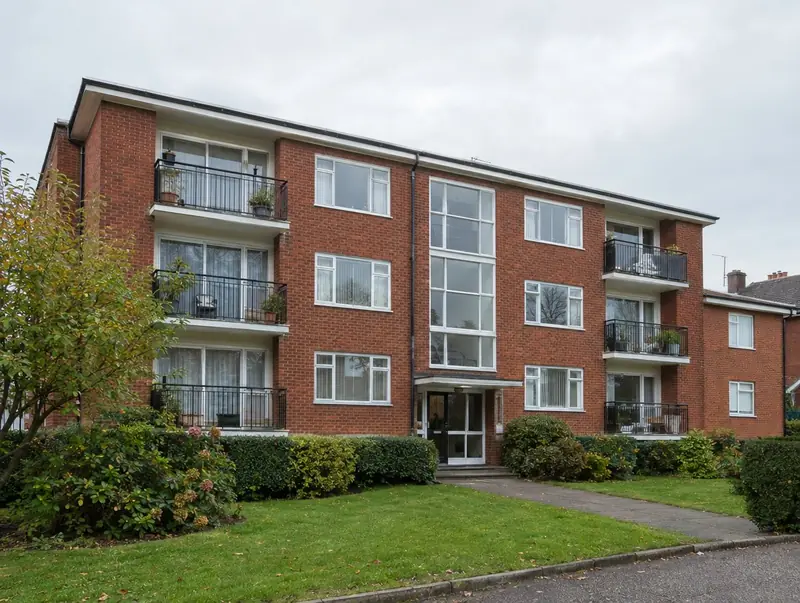
Why one flat cannot usually be done alone
The cavity runs continuously across the building. The Energy Saving Trust notes that flats need agreement from the whole block. Filling one flat's walls in isolation leaves gaps, and the freeholder normally owns the structure.
Fire and height
For blocks, the material must suit the building's height and use. Non-combustible mineral wool is the usual choice; we confirm the system and its certificate limits in writing.
What is included
- Block survey
- Freeholder and agent coordination
- Leaseholder information sheet
- Per-flat pricing
Cavity wall insulation for flats prices
| Cavity wall insulation for flats guide prices | Guide price |
|---|---|
| Per flat, whole-block fill (low-rise) | £495–£995 |
No VAT is charged on installing insulation in homes until 31 March 2027 (then 5%). Guide ranges only: the fixed price is confirmed in writing before any work starts, and anything that could not be seen at survey is agreed with you first.
Rules and funding by nation
The building regulations route and the funding schemes differ between England, Wales, Scotland and Northern Ireland. The local pages for your area explain the rules where you are; in short:
- England: Filling a cavity is notifiable building work and needs a building notice or competent-person self-certification.
- Wales: Filling a cavity is notifiable work under the Building Regulations as they apply in Wales, usually self-certified through a competent person scheme.
- Scotland: No building warrant is needed for insulation within a wall, but the work must meet the building standards.
- Northern Ireland: Inserting cavity wall insulation needs a building control application to the council before work starts.
Sources: Energy Saving Trust: cavity wall insulation; Planning Portal: cavity wall insulation and building regulations; Welsh Government: building work competent person schemes; HMRC: VAT on energy-saving materials (Notice 708/6).