Driving rain exposure and cavity wall insulation
Driving rain exposure describes how much wind-driven rain a wall takes. It is generally higher in the west and north of the UK, on coasts and on high ground, and it decides whether a wall can be filled and which certified systems can be used.
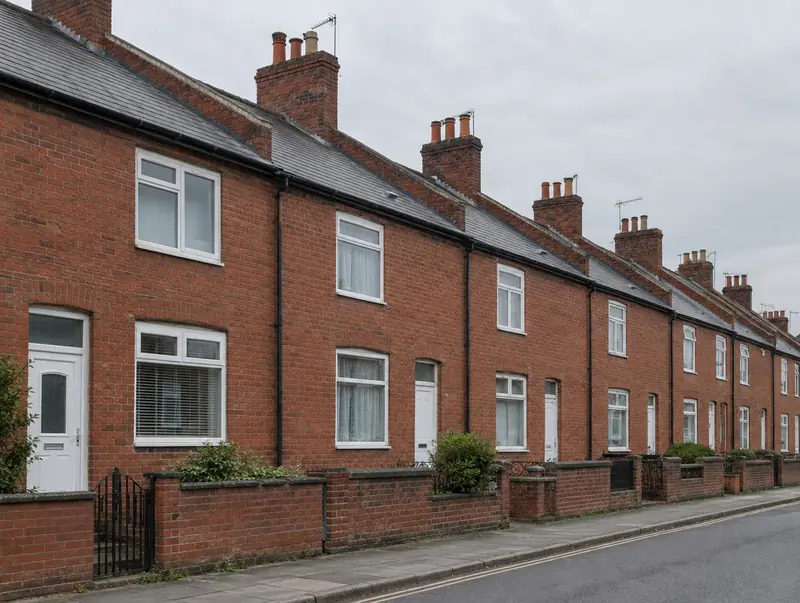
Why exposure matters
In heavy wind-driven rain, more water gets through the outer leaf. An empty cavity gives it room to drain; a filled cavity must still let it drain. Each certified system states the exposure it is suitable for, and the Building Regulations guidance for moisture uses exposure to decide which wall and insulation combinations are acceptable.
What the surveyor looks at
- Location and height above sea level, and distance from the coast.
- Which way each elevation faces, and what shelters it.
- The type and condition of the outer leaf: brick, render, pointing profile.
- Signs of past rain penetration.
If your wall is too exposed
Some walls should be left unfilled, or insulated another way. We say so plainly rather than fill a wall that is likely to cause trouble.
Related services
Sources: Energy Saving Trust: cavity wall insulation; Planning Portal: cavity wall insulation and building regulations.